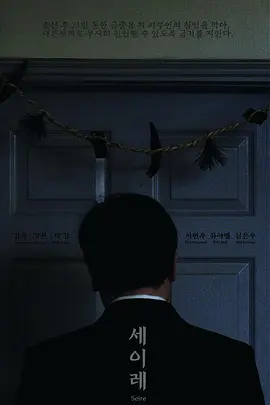
《光与铁》是一部讲述因丈夫们的交通事故而交织的两名女子和围绕她们发生的秘密故事的电影,是执导短片《喊声》《季节》《冒险》等的韩国电影学院出身导演裴钟大执导的长篇处女作。《光与铁》曾获邀参与第21届全州国际电影节、第43届首尔独立电影节、第24届塔林黑夜电影节。主演廉惠兰更在全州国际电影节上获得了演员奖,备受瞩目。
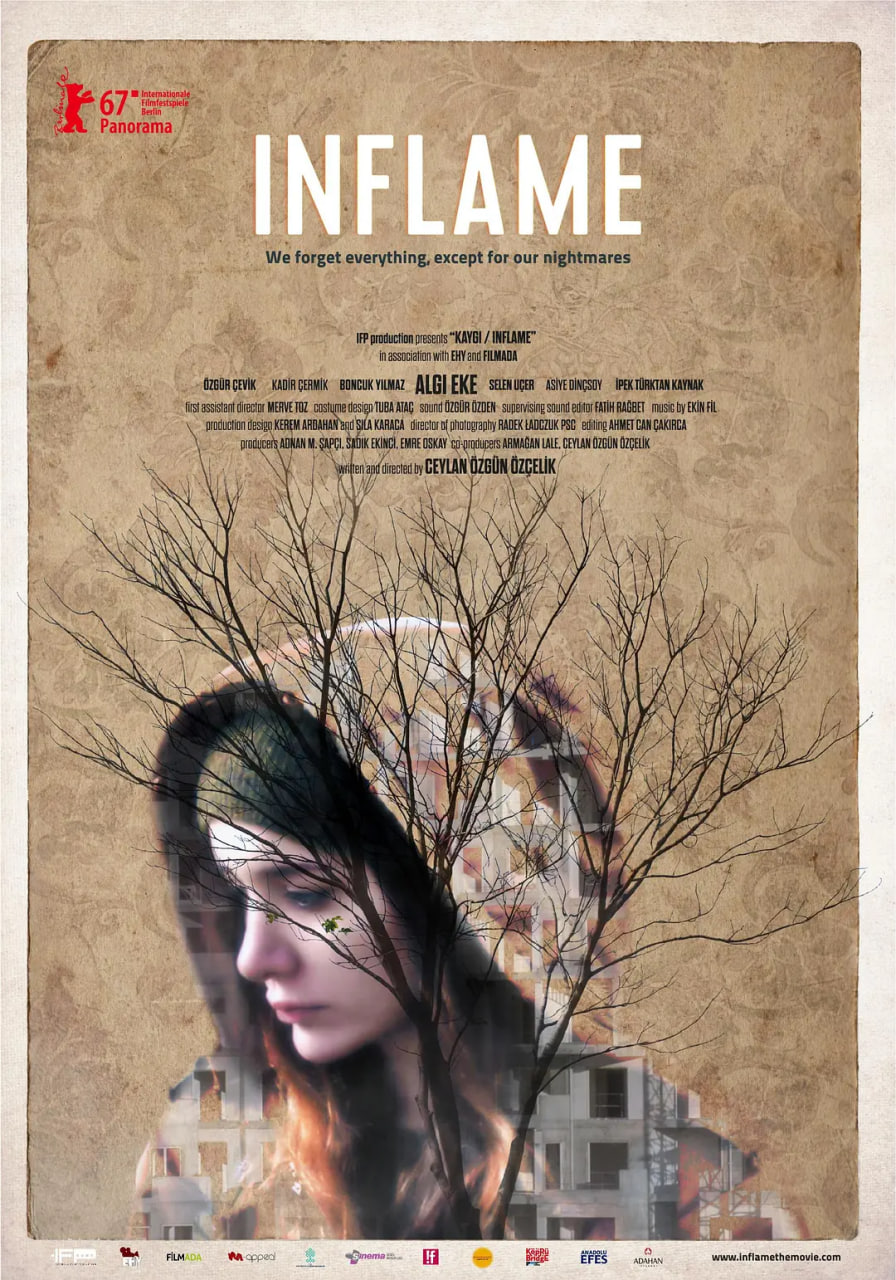
30岁的Hasret在土耳其电视台新闻频道工作,她视“What you see is the truth. What you hear is the truth”为人生格言。她有时会被噩梦惊醒,又再次陷入噩梦,一个奇怪的念头浮现在她的脑海:她的父母有没有可能幸免于那场车祸?
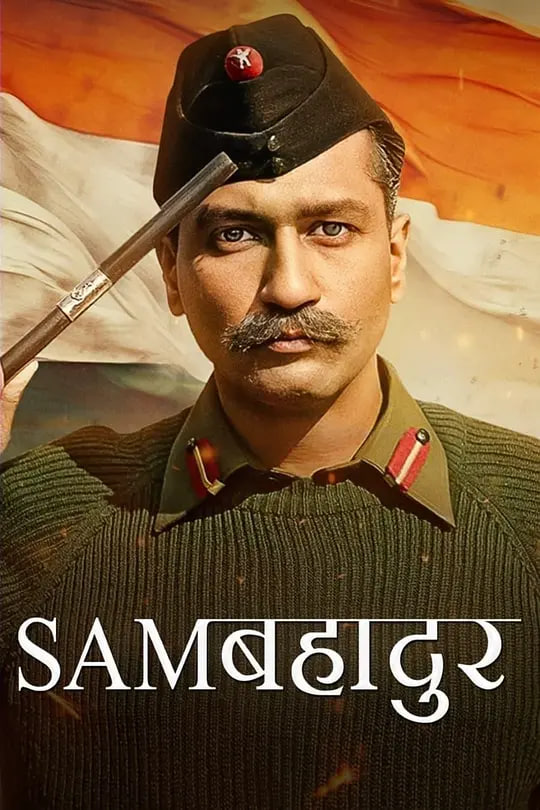
他是波斯裔拜火教徒,出生于英属印度旁遮普邦的一个医生世家,父亲和两个哥哥都是医生,他却出于叛逆选择从军,并考入英属印度军事学院。在二战期间,曾在缅甸与日军作战并立下战功,身受重伤,后获得准将军衔,派往澳大利亚。然而印度独立后,他回国加入印军,历任军事技术总监、军事参谋学院学院、总参谋长等职务,1973年1月1日成为印度第一位元帅。他一直认为有必要在印度军队中进行改革,形成统一的指挥系统,而非按照部族进行编制,并且反对政客插手军队事务,因而与执政的国大党发生冲突,后者怀疑他有军方独裁的野心,对其进行降职和监视,因此马内克肖在1962年中印冲突中缺席,印军惨败,而后马内克肖被委以重任,担任第八任总参谋长,在1971年的第三次印巴战争中担任总指挥,促成孟加拉独立。但是,因军事理念与... (展开全部
约翰尼踏上帮助养父的旅程,却意外地与生父普拉卡什重逢。普拉卡什多年前被迫抛弃了他,如今却渴望与他和解。
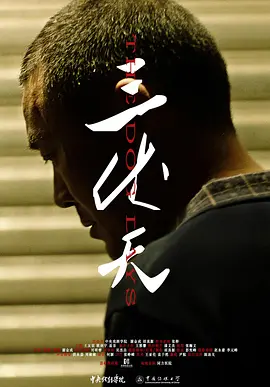
男主角 Punithan 是一个身份神秘、没有国籍与认同归属的流浪者。他来到异乡,试图隐瞒身份融入当地社会并寻找工作,但随着一系列冲突爆发,他的真实背景被层层揭开,影片深入探讨了难民身份、人权、种族偏见以及“世界大同”的博爱价值观
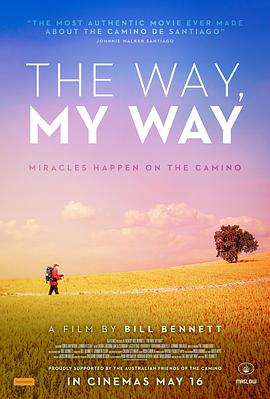
In 2013, an Australian man a few months shy of turning 60 decided to walk the Camino de Santiago – an 800km pilgrimage trail across the top of Spain. He had no known religion, and absolutely no idea why he felt so deeply compelled to do this torturous walk. But compelled, he was. He completed the walk, battling a “triumvirate of pain” - a knee that he later discovered lacked any meaningful cartilage, a blister the sight of which would make a grown man weep, and shin-soreness that felt like his lower limb had been split with a mountain axe wielded by a demented troll. Arriving at the end of the Camino, the majestic cathedral in Santiago de Compostela, he expected an epiphany – an answer to the question he’d been asking himself every day: Why am I doing this? But no answer came. So when he got home he wrote a book, hoping the answer would reveal itself in his scribblings. The result was The Way, My Way, a humourous and self-deprecating book that many consider the best memoir ever written on walking the Camino. The book has now been made into a film, and it’s an extraordinary account of a man at a pivotal point in his life, searching for meaning and finding himself undergoing a fundamental transformation so profound that he now divides his life into “Before the Camino” and “After the Camino.” It’s a story particular to one man, yet of appeal to anyone seeking a greater meaning from life.